
The Gambler’s Fallacy
One of the most pervasive myths in the world of gambling is the gambler’s fallacy, which suggests that past outcomes of random events can influence future results. For example, players may believe that if a particular slot machine hasn’t paid out in a while, it is ‘due’ for a win, which is a misconception often debunked by platforms like the best nz online casino where understanding odds is essential. This line of thinking is fundamentally flawed because each spin on a machine or each roll of the dice is an independent event. The odds remain the same regardless of previous outcomes, making it crucial for players to understand the independence of random events.
Mathematically, the chances remain constant, and this misconception leads to erroneous betting strategies. New players are particularly susceptible to this fallacy, as excitement can cloud their judgment. Experienced players may also fall into this trap, especially when they experience a series of losses. The truth is that understanding the nature of probability is key to becoming a more effective and rational player.
To navigate away from the gambler’s fallacy, players should focus on understanding the rules, odds, and strategy of the games they are playing. By familiarizing themselves with the statistical probabilities involved, they can make informed decisions instead of relying on superstitions or misconceptions that have no basis in fact. This awareness can significantly enhance their gaming experience and potentially improve their outcomes.
All Casinos are Rigged
Another common myth is the belief that casinos are inherently rigged against players. While it is true that casinos have a built-in advantage, this does not mean that they are cheating or manipulating games in an illegal manner. The house edge is a well-established aspect of casino games that accounts for the statistical advantage the casino holds over players. This edge varies from game to game and is simply a reflection of the game’s design, not an assertion of unfair practices.
The misconception that casinos operate on a rigged basis often stems from bad experiences or losing streaks. In reality, casinos rely on transparency and regulation to maintain their reputations and fulfill legal obligations. Most reputable casinos are licensed and audited to ensure fair play. Players can enjoy a wide range of games with the knowledge that they are engaging in a regulated environment that upholds fairness and integrity.

Understanding the house edge is essential for players to approach their gaming sessions with realistic expectations. It’s important for players to recognize that while winning is possible, the odds are generally structured to favor the house over time. By accepting this and playing responsibly, players can enjoy the entertainment value of gambling without the stress that comes from believing in unfounded myths about rigging and unfair advantages.
The Bigger the Bet, the Bigger the Win
A prevalent misconception among players is that making larger bets will lead to bigger wins. While it’s true that higher stakes often result in higher payouts, this does not guarantee a better chance of winning. This myth can tempt players into wagering amounts that exceed their budgets, driven by the allure of quick financial gains. In reality, whether a player bets a little or a lot, the odds remain constant across the board.
Many players may feel that high rollers receive better treatment from the casino, leading them to believe their chances of winning increase based on the size of their bets. However, this perception does not hold true statistically. The payouts are determined by the same probability algorithms, and playing responsibly is key to ensuring a longer and more enjoyable experience. Making smart, measured bets is far more effective than chasing high returns based on the size of the wager.
Additionally, players should focus on the overall strategy rather than the bet amounts. Studying game mechanics and learning when to play conservatively versus aggressively can lead to better decision-making and ultimately a more enjoyable gambling experience. Responsible gambling incorporates understanding the balance between risk and reward, rather than just betting larger sums in hopes of greater winnings.
Lucky Charms and Superstitions
Superstitions and lucky charms are deeply ingrained in gambling culture, with many players believing that certain rituals can influence their luck. From wearing specific clothing to carrying “lucky” objects, these practices are widespread. However, they have no real effect on the outcomes of games of chance, which are determined by random number generators or physical probability laws. Relying on superstitions can lead players to divert attention from the actual strategies and knowledge that can improve their gameplay.
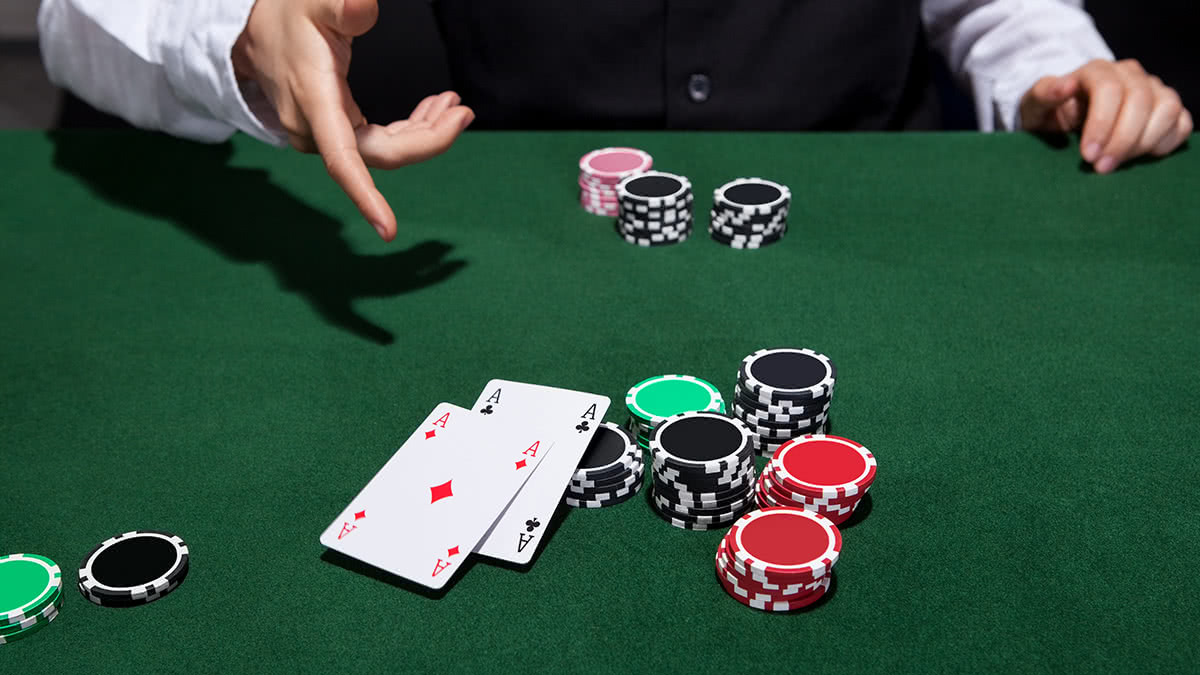
The psychological comfort that comes from engaging in these superstitious practices can sometimes enhance a player’s experience, but they should not be mistaken for genuine tactics that can influence outcomes. Casinos thrive on the thrill of chance, and while players may feel empowered by their lucky rituals, it is crucial to understand that luck is not something that can be conjured through external means. Players should focus on understanding the games themselves rather than adhering to beliefs that lack empirical support.
Ultimately, cultivating an appreciation for the pure randomness of gambling can enhance enjoyment and reduce disappointment. Players should embrace the unpredictable nature of games rather than rely on superstitions, choosing instead to engage with the game in a thoughtful manner. This approach not only fosters a better gaming experience but also positions players to tackle challenges with a clear mindset, reducing stress and allowing for more enjoyable play.
A Trusted Resource for Responsible Gambling
For players seeking to deepen their understanding of casino games, responsible gambling strategies, and debunking myths, reputable online resources are invaluable. These are platforms that provide insights into game mechanics, statistical analysis, and expert advice on how to enjoy a rewarding gaming experience. Additionally, they often feature articles on maintaining a healthy gambling mindset and the importance of setting limits.
These resources can offer support to both novice and experienced players, creating a community where individuals can share their experiences and learn from one another. Hearing from others can demystify many aspects of gambling while also reaffirming that responsible play is essential for both fun and sustainability. Engaging with such platforms can encourage a balanced approach to gambling and empower players to make informed choices.
Furthermore, they can highlight various measures taken to ensure fair play in casinos and provide updates on legislation affecting gaming regulations. By being well-informed, players can navigate the casino landscape intelligently, enhancing their chances of having a positive and enjoyable gaming experience. Understanding the environment in which they are playing is crucial for any player looking to enjoy their time at the casino while mitigating risks associated with gambling.